concrete dust

2017, single-channel video, 4K, 23’52”, colour, 5.1 sound, Tuvan with English subtitles

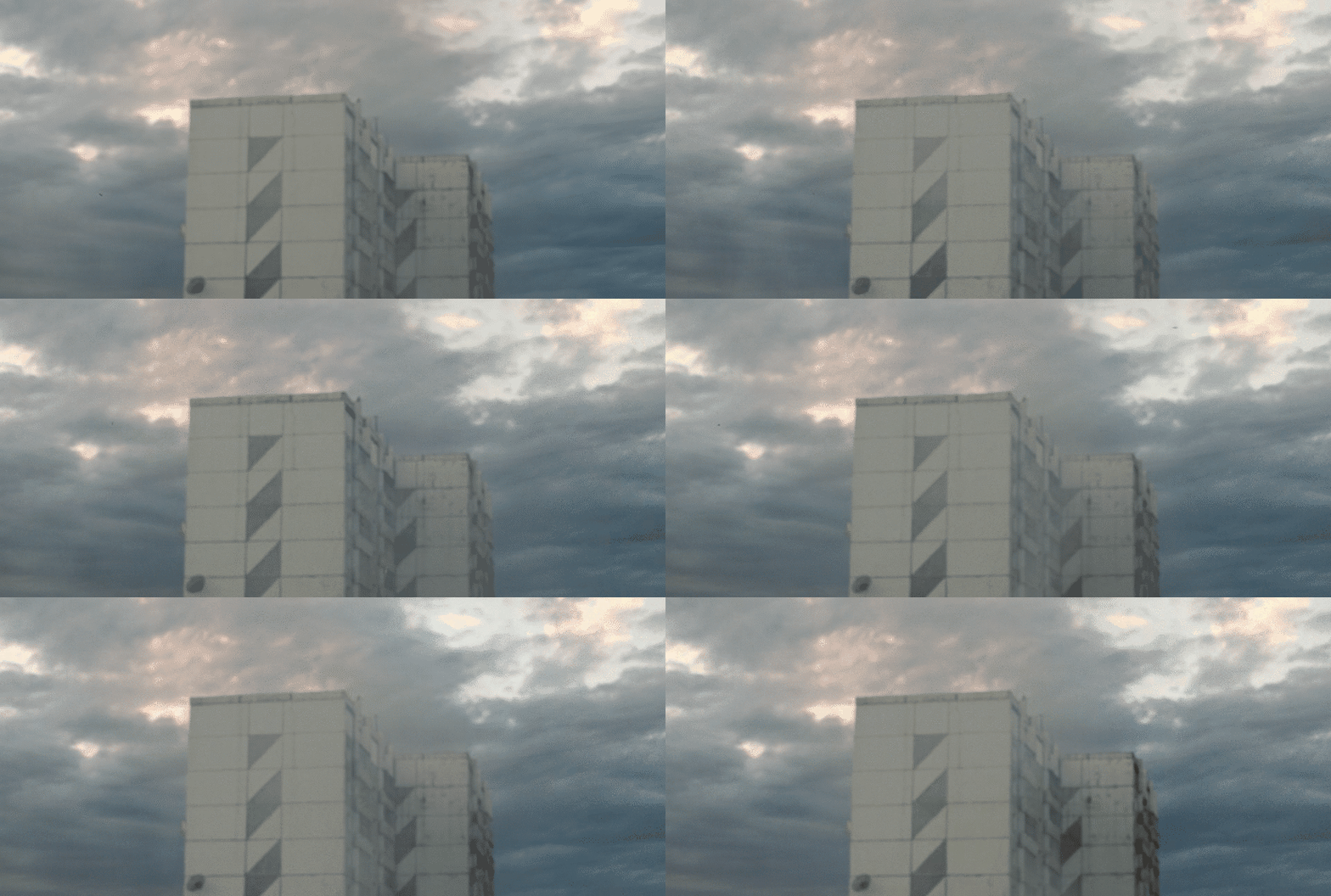
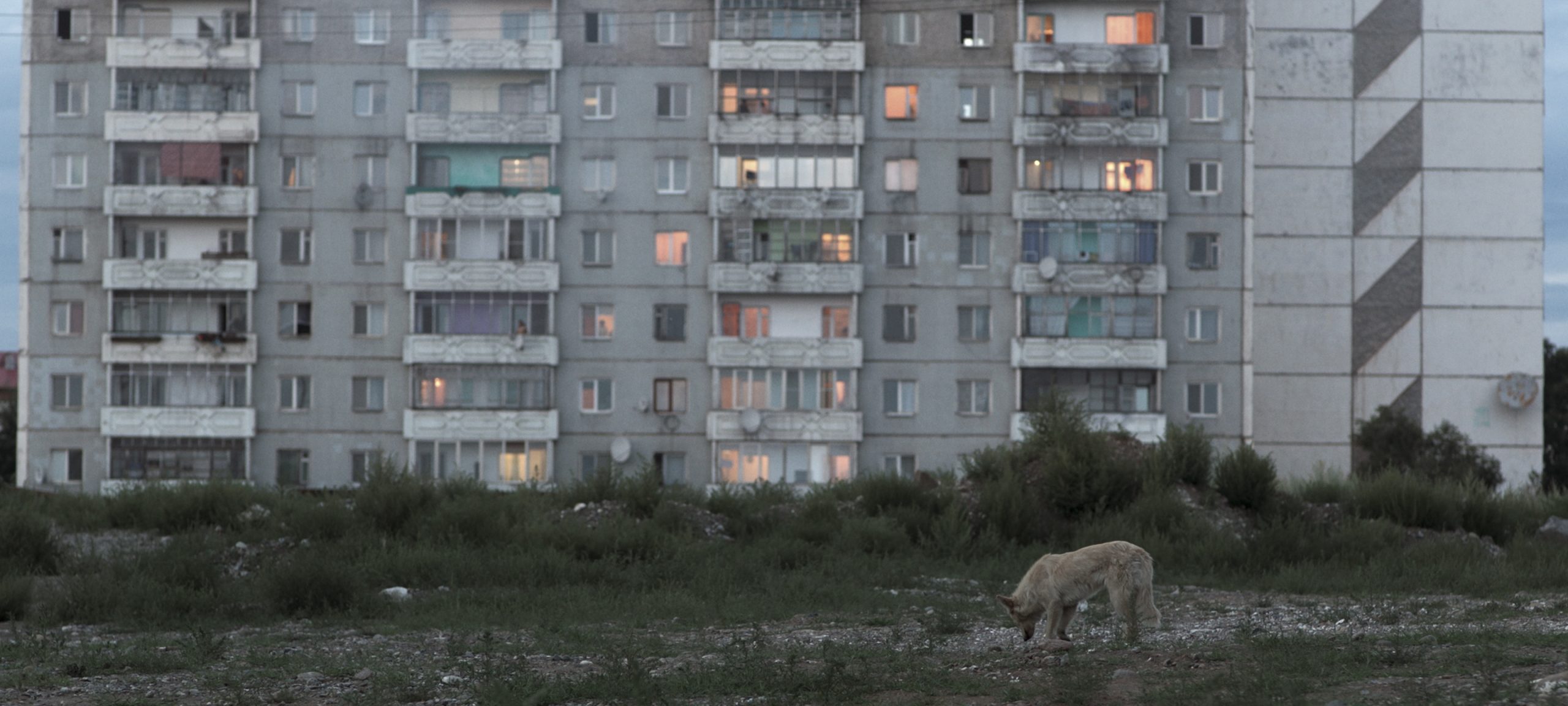
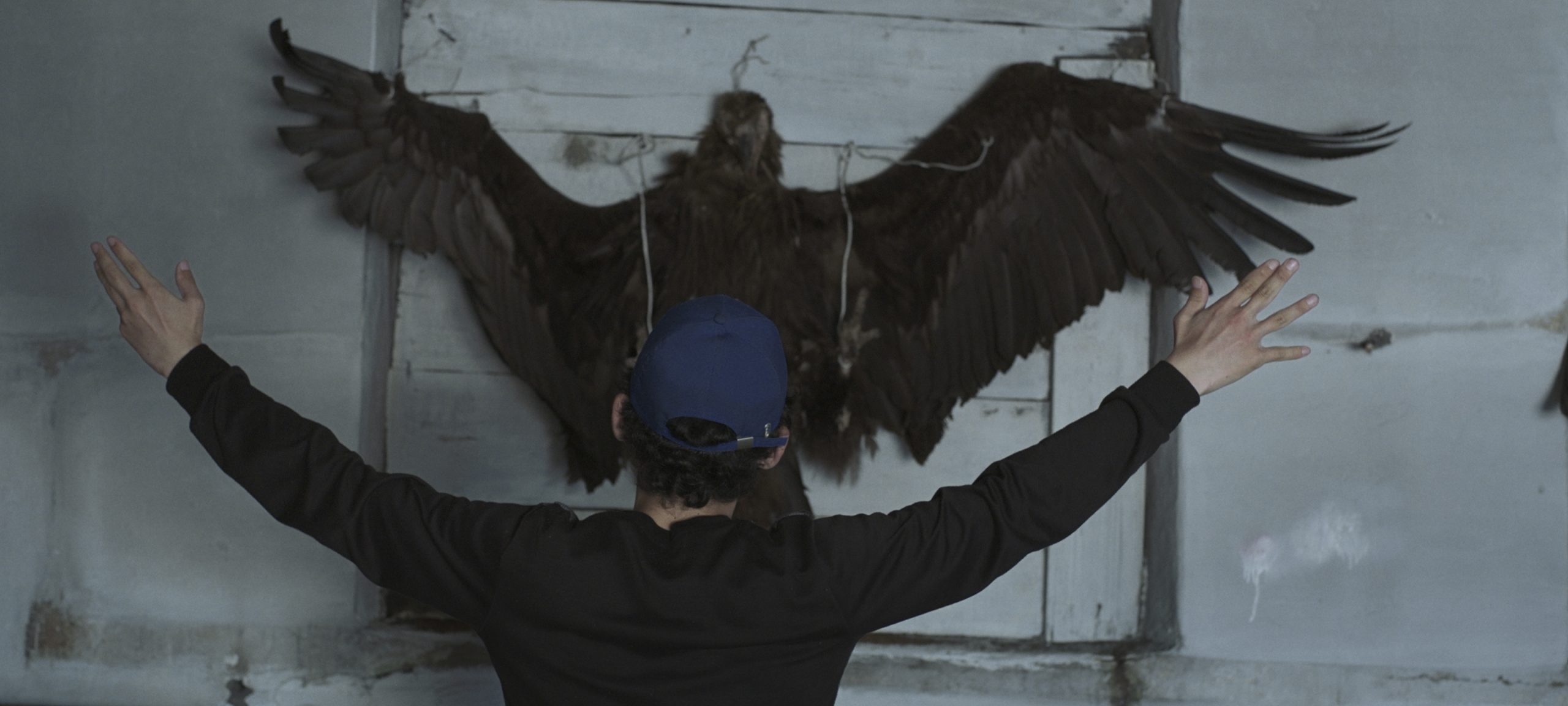
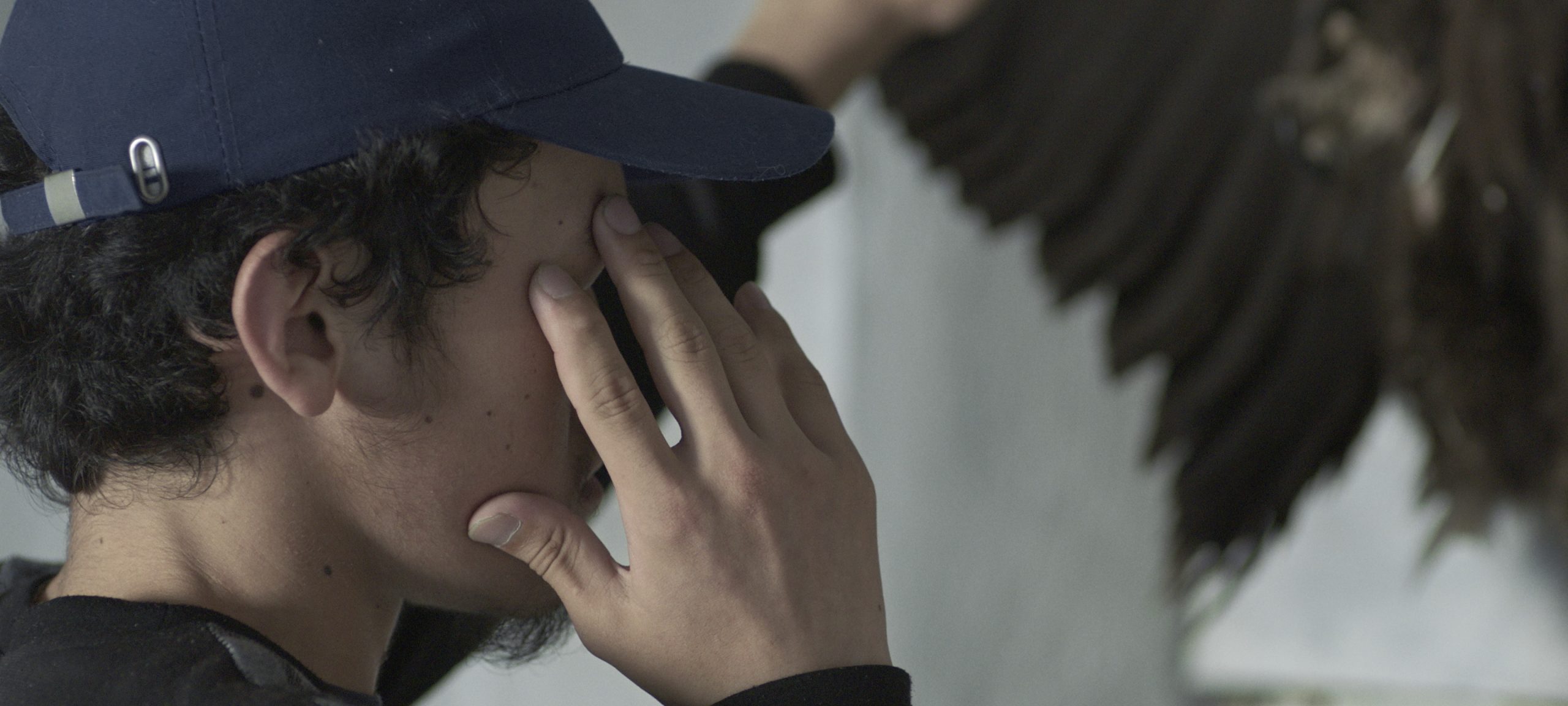
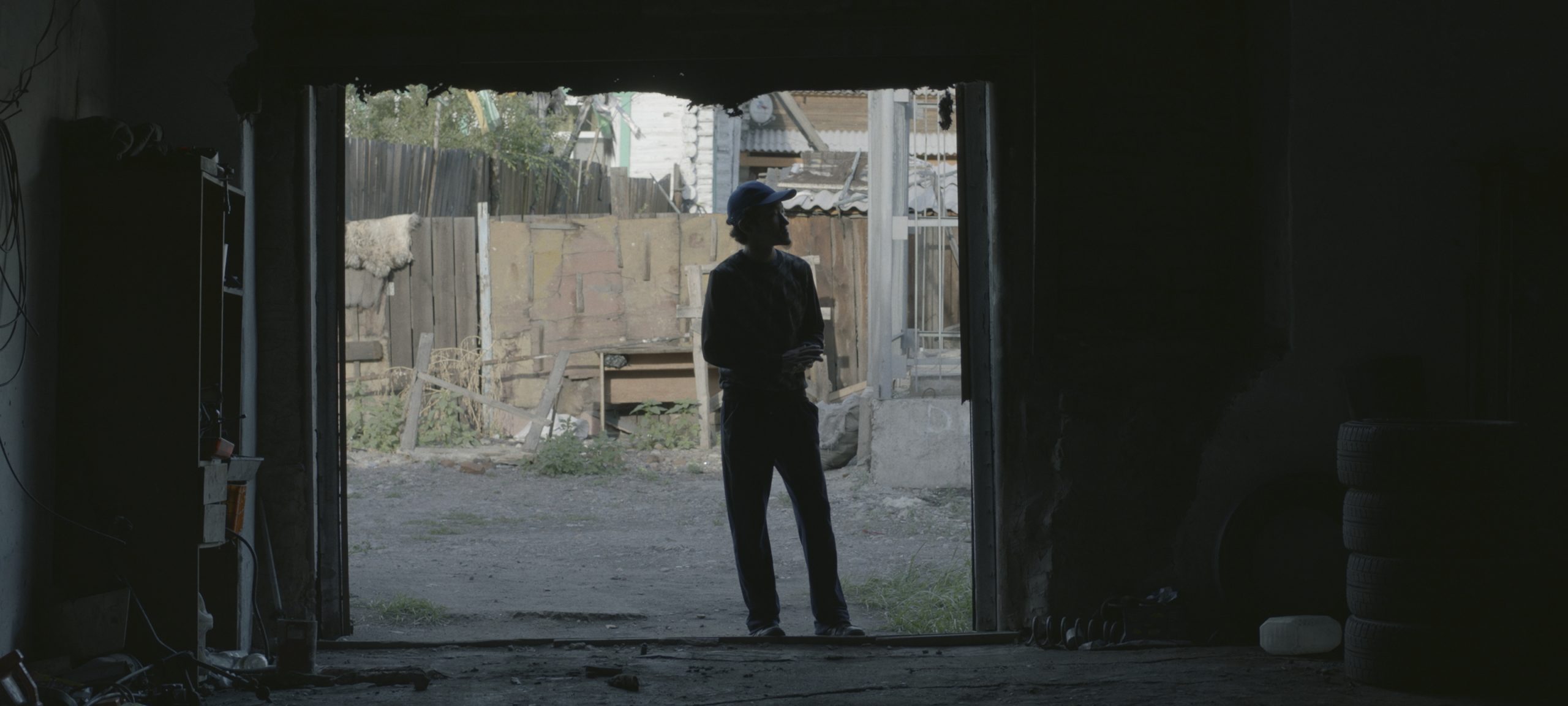
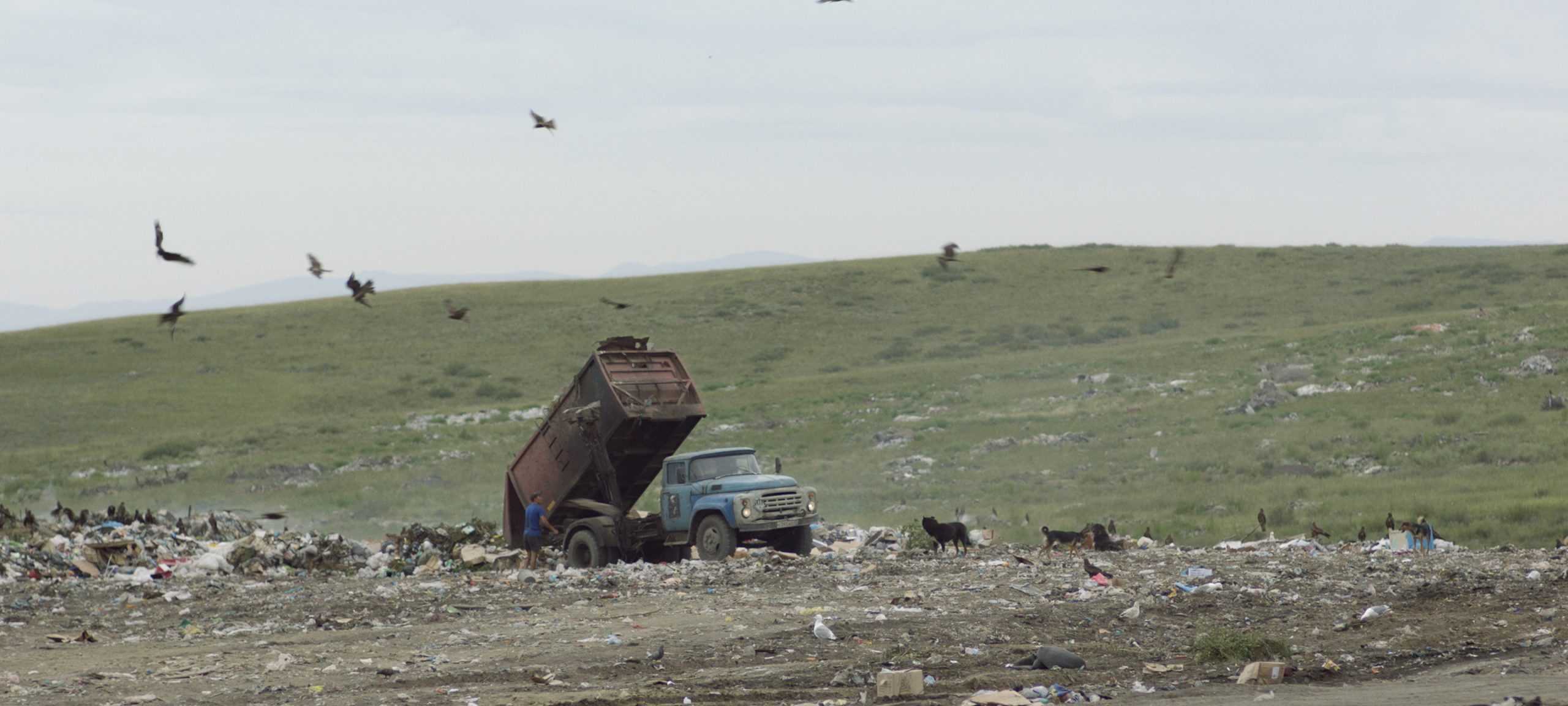
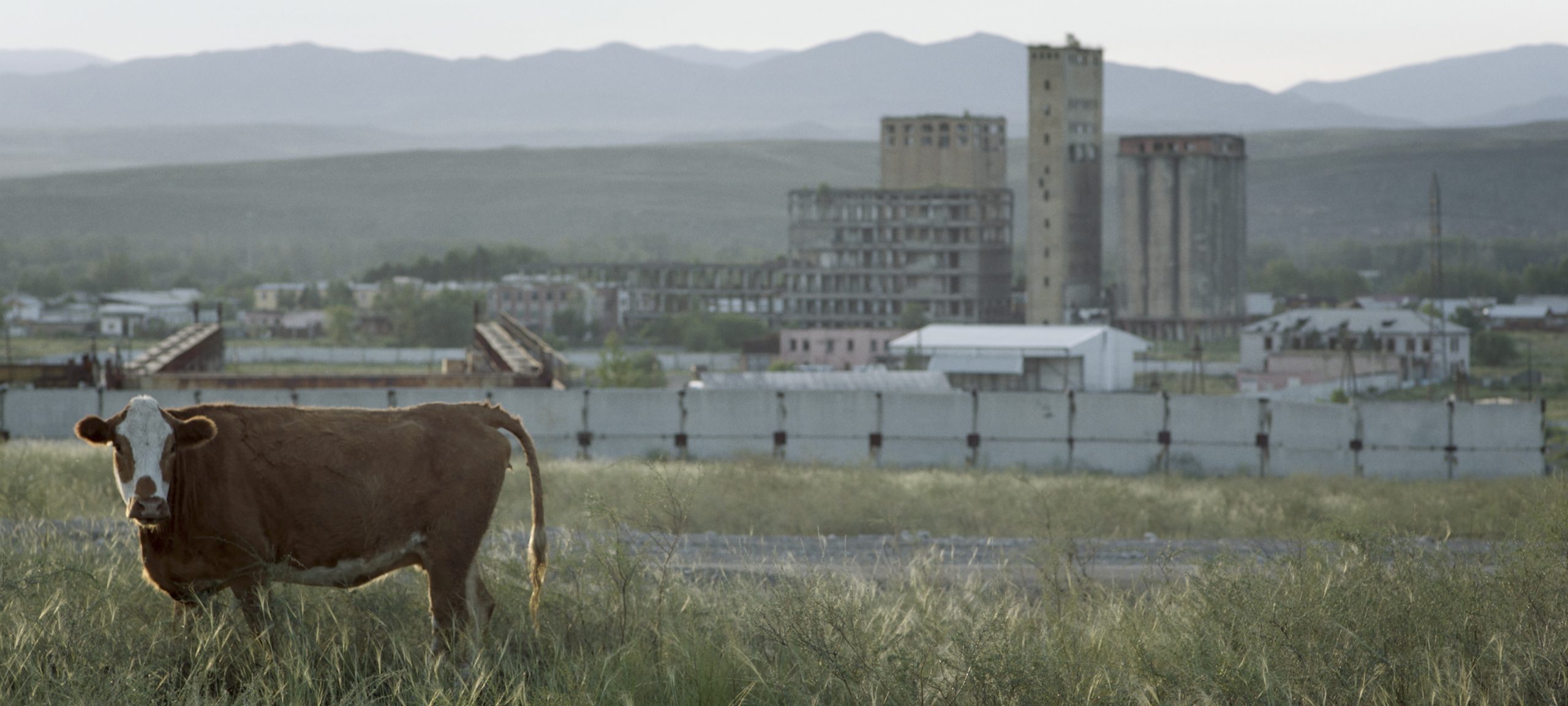
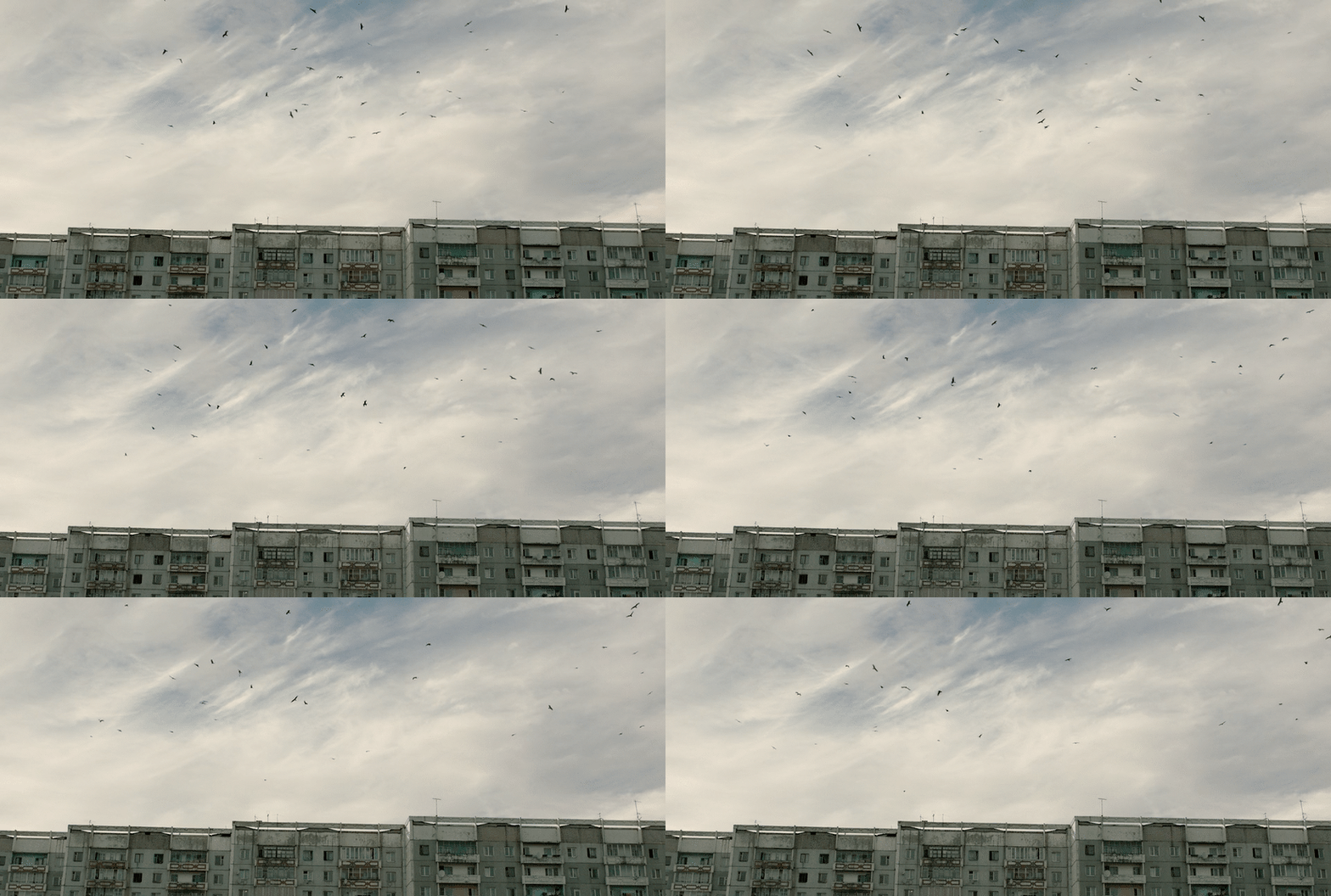
Concrete Dust was filmed in Kyzyl, capital of the Republic of Tuva in southern Siberia, a town founded in 1914 as a Russian colonial outpost and rebuilt by Soviet planning. Its subject is this colonial order as it stands today, and the ritual practice that continued under it, banned from public space for decades and now running its everyday operations between concrete, dust and river. The camera moves through construction sites, prefab housing, monuments and the shamanic clinics where that practice sees its patients, holding static, distant frames. What emerges is a topography of pressure and persistence: a town that keeps the empire’s shape, and a practice that has found its places within it.

Kyzyl did not grow, it was installed. Laid out in 1914 under the name Belotsarsk, town of the White Tsar, immediately after Russia declared its protectorate over the region, it was built to anchor settlement and administration on the upper Yenisei. Tuva belongs to what the historian Alexander Etkind describes as internal colonization: an empire colonizing territory it already claims as its own, governing its interior with the instruments of overseas rule (Etkind 2013). The Soviet Union did not end that logic, it radicalized it, first through the nominally independent Tuvan People’s Republic, a client state whose 1930 constitution stripped shamans and lamas of the vote, then directly, after annexation in 1944. What the Soviet project built is what the film shows: the standardized architecture of an ideology poured across Siberia, block by block.

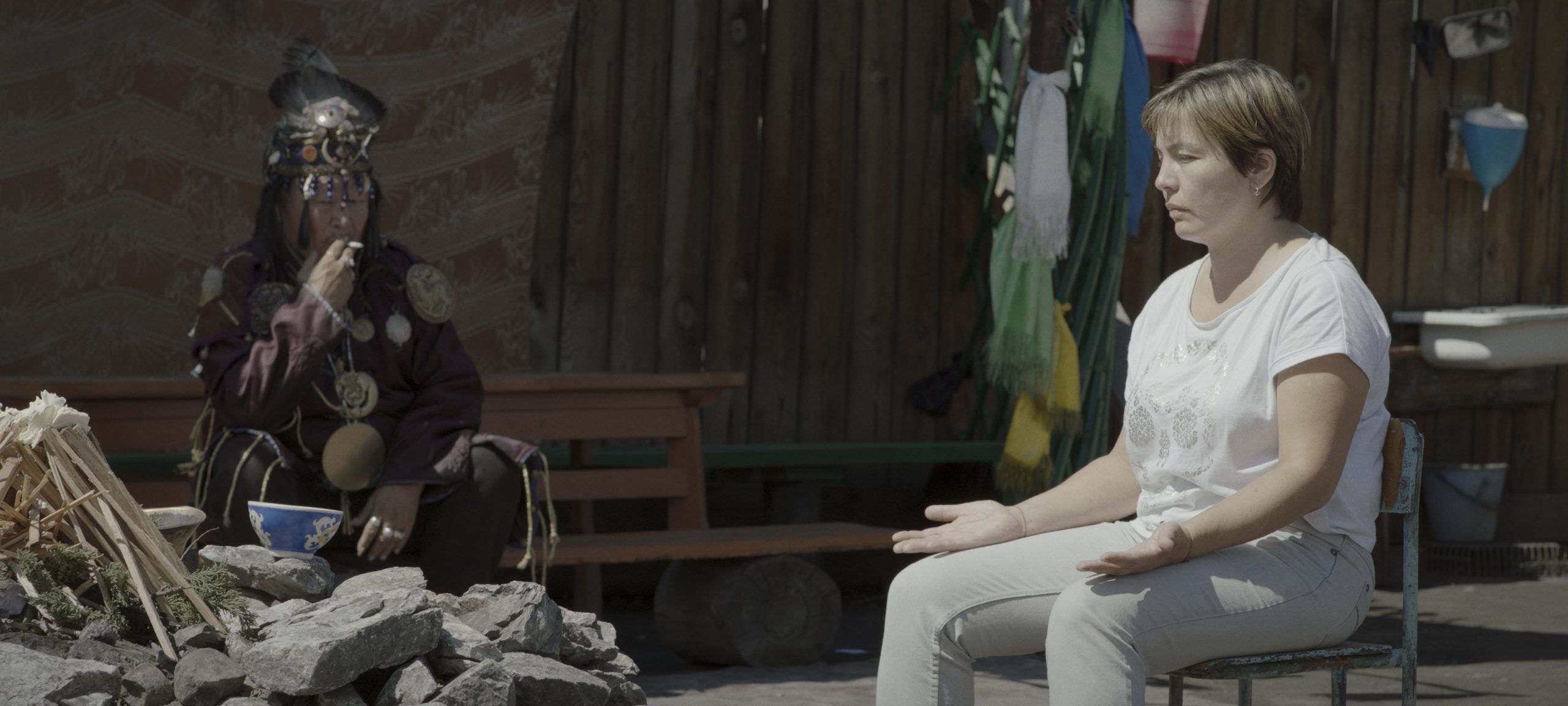
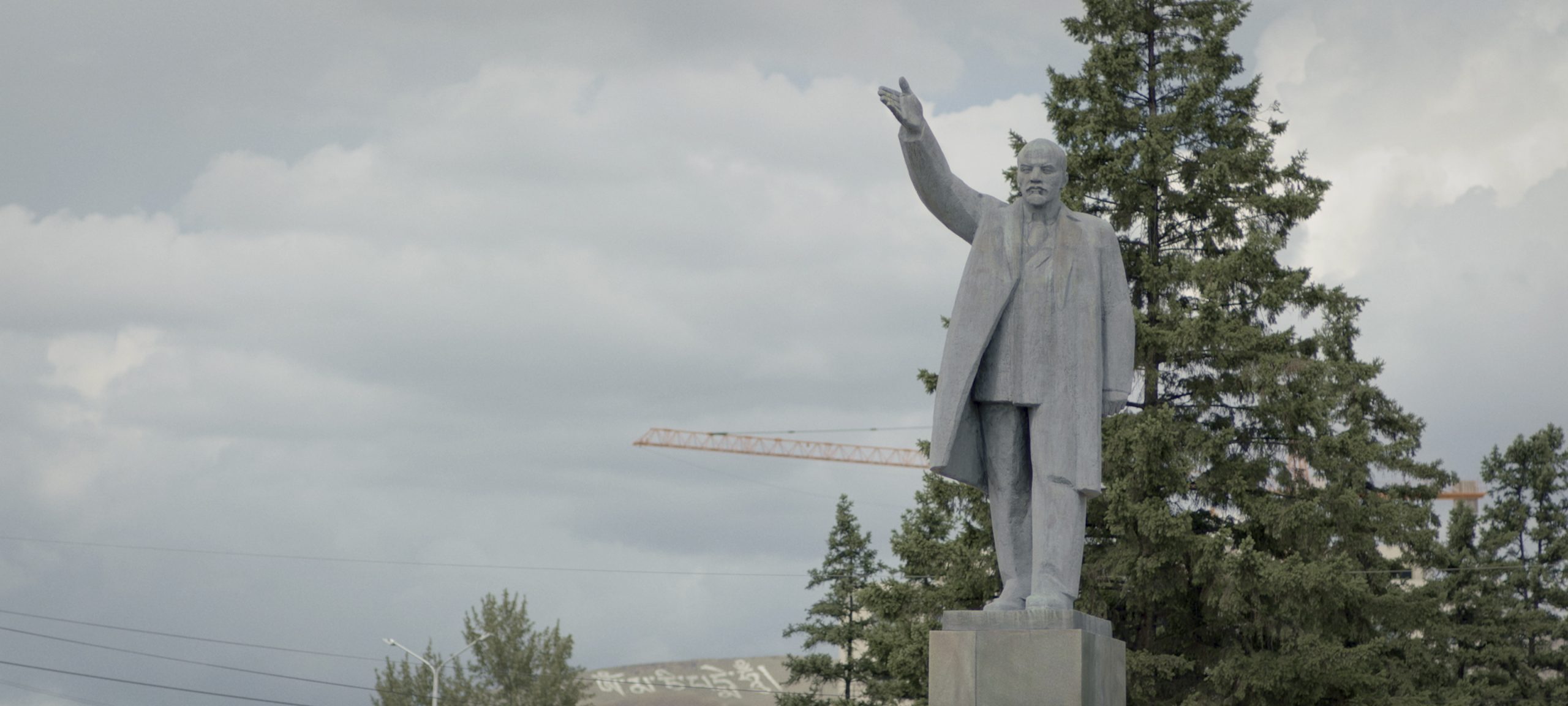
The Soviet campaign against ritual life in Tuva was less a single prohibition than a systematic withdrawal of ground: ceremonies addressed to the land were banned, ritual objects confiscated, the Shagaa new year abolished, healing transferred to the new medical system, practitioners persecuted. The practice withdrew into private, unofficial space and continued there (Grünwedel 2013). Half a century later, concrete dust observes what this history looks like on the ground. A Lenin statue gestures over fresh asphalt between the prefab blocks. And within this fabric, the practice that outlasted the prohibition runs its own institutions: since the early 1990s, shamanic clinics have operated in Kyzyl with waiting rooms, treatment schedules and consultation hours, among them a yurt standing on the bank of the Yenisei (Grünwedel 2013). What persists is a contemporary form that holds its ground inside the colonial fabric.

Concrete Dust treats ritual as the use of a place. A car engine is fumigated with juniper smoke in a yard; two patients wait in a blue hallway while sounds pass through the wall; a red thread is braided around a woman’s hands in a treatment room. These are procedures unfolding at addresses, filmed with the same attention as the construction site and the herd between the ruins. Smoke rises in front of a prefab facade whose ornament quotes the very cosmology the era of its construction had outlawed. The camera remains static, distant and at eye level, and stays with each place long enough for it to show its use.

concrete dust